2026/03/13
地球をキャンパスに学ぶ英会話・スペイン語プログラムGET|高田馬場校&ピースボート洋上校

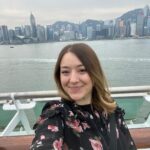
ChatWith a GET Teacher! Vol.26 Anna León Dominguez
ピースボートのクルーズにGETプログラムの英語/スペイン語ボランティア講師として乗船してくれた方たちへのインタビュー、“ChatWith a GET Teacher! (GETの先生とおしゃべり)”。
世界中から参加し、多様で豊かなバックグラウンドを持ったGETの先生たち。
そんな先生たちがどうしてピースボートへ参加したのか、ピースボートでどんなことを感じたのか、現在は何をしているのかを聞いていきます。
第26弾の今回は、ピースボートV119に英語講師として乗船したAnna(アンナ)のインタビューをお届けします!

1. What were you doing before joining Peace Boat?
ピースボートに乗船する前は何をしていましたか?
Before joining 119, I was teaching English and Spanish at a language school in Barcelona and also doing freelance private lessons. I had been looking for an opportunity that combined teaching with travel and Peace Boat meant that for me.
119回クルーズ乗船前は、バルセロナの語学学校で英語とスペイン語を教えながら、フリーランスでプライベートレッスンもしていました。もともと「教えること」と「旅行」を両立できるチャンスを探していたので、ピースボートは私にぴったりでした。
2. How did you find out about Peace Boat or the GET programme, and why did you come on board?
ピースボートやGETプログラムを知ったきっかけと、乗船した理由を教えてください。
I learned about Peace Boat through the recommendation of one of my best friends, who teaches Spanish to foreigners. When I read about the GET programme, I knew it was exactly what I needed: purpose with adventure. I saw it as a chance to grow both professionally and personally.
外国人にスペイン語を教えている親友の勧めでピースボートを知りました。GETプログラムについて読んだとき、まさに私が必要としていたものだと思い、仕事としても人としても成長できるチャンスだと思いました。
3. What did you enjoy most about being a GET Teacher?
GETの先生になって一番楽しかったことは何ですか?
The people. Living for 96 days with your students is one of the most unique and hilarious experiences you can have as a teacher. You’re not just in a classroom and you’re not just their teacher, you’re eating meals together, bumping into each other in laundry rooms, and getting to know them on a more personal level. I loved watching shy students slowly open up, sharing stories about their hometowns, and seeing genuine connections form.
人との出逢いですね。生徒たちと96日間を共に過ごしたことは、教師にとって最もユニークで興味深い経験の一つでした。教室で顔を合わせるだけでなく、単なる「先生」という枠を超えて、一緒に食事をしたり、ランドリールームで偶然顔を合わせたりする中で、生徒たちのよりパーソナルな一面を知ることができました。最初は内気だった生徒たちが少しずつ心を開き、故郷の話をしてくれるようになったり、深い絆が生まれていくのを見ていることがとても好きでした。

4. How did you spend your time on board? Did you organize any events, and if so, what were they?
船内ではどのように過ごしましたか?もしイベントを企画していたのなら、どんなものを企画しましたか?
When I wasn’t teaching, I was usually scribbling in my journal on the deck, at sunset was my preferred time. As for the events, I gave a lecture on vegetarianism and veganism with some fellow vegetarians on board. It was such a fun experience! We shared our personal journeys and cultural perspectives. We also invited passengers to share their opinions, so it felt great to create a space where we could share our values and connect through food.
教えていないときは、たいていデッキで日記を書いていました。日没が一番好きな時間でしたね。イベントとしては、ベジタリアンの仲間たちとベジタリアニズムとビーガニズムに関する講座をしました。とても楽しかったです!私たちの個人的な旅と文化的な視点を共有し、参加者の皆さんにも意見を伺いました。自分たちの価値観を分かち合い、食を通じて繋がれる場をつくることができ、嬉しかったです。

5. What was your favorite on board event or encounter?
船内でのお気に入りの出来事や出会いを教えてください。
Not an event in specific, but I will always treasure those nights that would end up in Karaoke and would make you closer to friends. I loved singing The Beatles.
具体的な出来事ではないですが、カラオケで盛り上がり、友達との距離が縮まるような夜はいつまでも宝物です。ビートルズを歌うのが大好きでした。
6. What was your favorite port and what did you do there?
お気に入りの寄港地はどこで、何をしましたか?
My favorite ports were Valparaíso and Easter Island, Chile. I have always been drawn to Chile’s history and literature and it just happened that the weather was perfect in both ports. In Valparaíso, I met with a Chilean friend living there and together with another GET teacher, we drove around the city and nearby towns, tried local food and had some meaningful conversations about life in Chile. I loved exploring Valparaíso like a local. As for Easter Island, the whole place has a magical vibe that can’t be found in any other place I’ve been to. It was perfect.
お気に入りの寄港地は、チリのバルパライソとイースター島ですね。私はずっとチリの歴史と文学に惹かれていましたし、たまたまどちらの港も天候に恵まれました。バルパライソでは、現地在住のチリ人の友人と会い、もう一人のGETの先生と一緒にバルパライソや近くの町をドライブし、地元の料理を食べ、チリでの生活について深い話ができました。地元の人のようにバルパライソを散策するのが楽しかったです。イースター島はこの場所全体が、私が行ったことのある他のどの場所にもない不思議な雰囲気を持っていて、素晴らしかったです。

7. What did you gain from your time with Peace Boat?
ピースボートで過ごした時間から得たものは?
I gained so much: new perspectives, new friendships, confidence in unfamiliar situations, and a deeper understanding of myself and of what it means to be part of a global community. But more than just what I gained, it’s how I changed. You step onto the ship as one version of yourself and you disembark as someone entirely changed. It’s a literal and a metaphorical voyage at the same time. You come out a different person, more open, more aware, more connected.
新しい視点、新しい友情、不慣れな状況でも自信を持つこと、そして自分自身についてやグローバル・コミュニティの一員であることの意味をより深く理解できたこと。でも、得たもの以上に、自分がどう変わったかということです。ひとりの人間として船に乗り込み、変化を遂げて下船する。それは文字通りの航海であり、同時に比喩的な航海でもあります。よりオープンで、より自覚的に、よりつながりのある、別人になる感じです。
8. Where are you now and what do you do?
今はどこにいて、何をしていますか?
Now I’m back in Barcelona, teaching English and Spanish again but with a whole new mindset. I still have sea dreams, though. Once you sail with Peace Boat, part of you stays onboard. Who knows where my next move will be?
今はバルセロナに戻り、再び英語とスペイン語を教えています。海の夢はまだ持っていますけどね。一度ピースボートに乗船すると、自分の一部は船内に留まると思います。私がこの次はどうするのかはまだ分からないんですけどね。
9. What advice would you give to future teachers?
未来の先生たちへのアドバイスをお願いします。
Come curious. This is probably one of the most unique experiences you’ll ever live, so make the most of it. You will make mistakes and will have to adapt through the chaos and embrace unpredictability. You’ll teach in motion, live in community, and witness moments of real transformation, in your students and in yourself. Don’t be too hard on yourself for things that don’t go as expected and keep learning.
好奇心を持ってください。おそらく人生で最もユニークな経験のひとつになるかと思うので、それを最大限に生かしてください。失敗もするだろうし、混乱の中で適応し、予測不可能なことを受け入れなければならないこともあります。動きながら教え、コミュニティーの中で生き、生徒やあなた自身が本当に変わる瞬間を目撃します。期待通りにいかないことがあっても自分に厳しくしすぎず、学び続けてください。
10. What advice can you give to a student who wants to improve their English/Español?
英語/スペイン語を上達させたいと思っている生徒さんへのアドバイスをお願いします。
Live in the language, sing songs, text friends, keep a journal, watch movies with subtitles off, write your thoughts down in your target language…
その言語で生活する、歌を歌う、友達にメールする、日記をつける、字幕を消して映画を見る、自分の考えを目標言語で書き留めるなどですね。
11. Do you have a message for your students?
自身の生徒さんたちへのメッセージをお願いします。
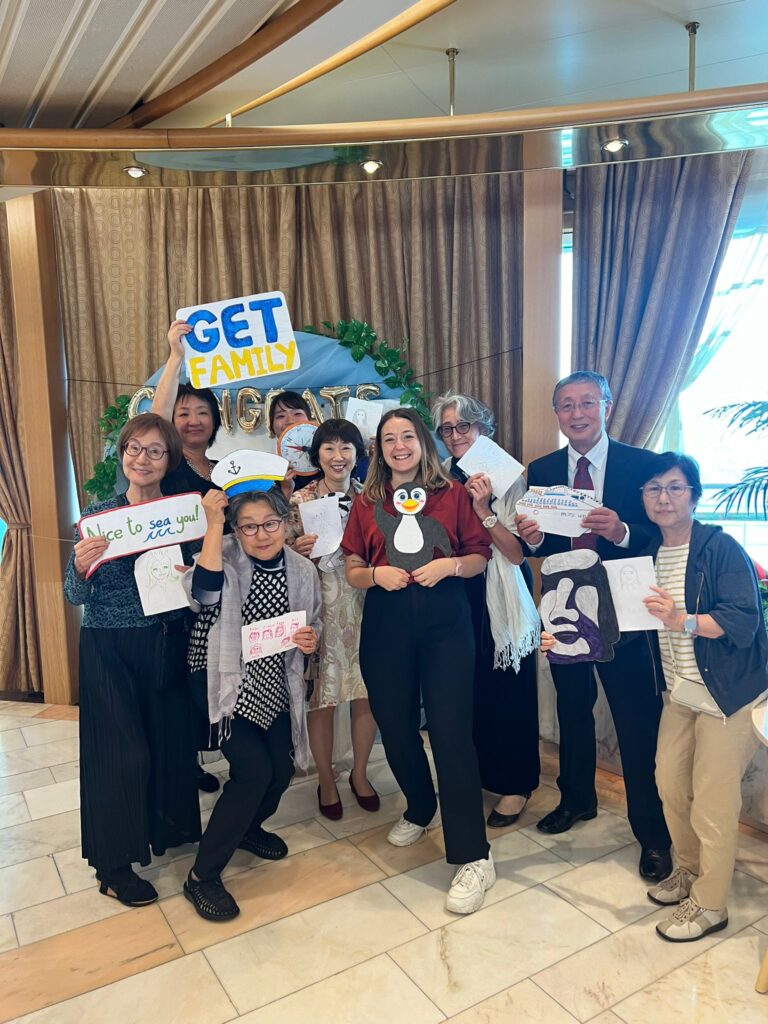
I miss you guys! I’ve told so many stories about you and our voyage to my current students. Honestly, you were the sweetest, kindest, most dedicated group I could have ever hoped for. Teaching you did not feel like a job, it was a joy. Thank you for the laughter, the lessons, and the memories. When summer arrived in Barcelona, I even carried the Japanese bag some of you gave me as a present everywhere around with me.ありがとう!!!
みんなに会いたいです!今の生徒たちにも、皆さんの話や私たちの航海の話をたくさんしています。正直、皆さんは私が想像し得るなかで最も優しく、親切で、献身的なグループでした。教えることが、仕事だと感じず、楽しかったです。笑い、レッスン、そして思い出をありがとう。バルセロナに夏が来た時、私は皆さんにプレゼントしてもらった日本のバッグをどこにでも持ち歩いていました。ありがとう!!!
Thank you, Anna!!