2026/10/28
地球をキャンパスに学ぶ英会話・スペイン語プログラムGET|高田馬場校&ピースボート洋上校

ChatWith a GET Teacher! Vol.27 Zubair Shehraz
ピースボートのクルーズにGETプログラムの英語/スペイン語ボランティア講師として乗船してくれた方たちへのインタビュー、“ChatWith a GET Teacher! (GETの先生とおしゃべり)”。
世界中から参加し、多様で豊かなバックグラウンドを持ったGETの先生たち。
そんな先生たちがどうしてピースボートへ参加したのか、ピースボートでどんなことを感じたのか、現在は何をしているのかを聞いていきます。
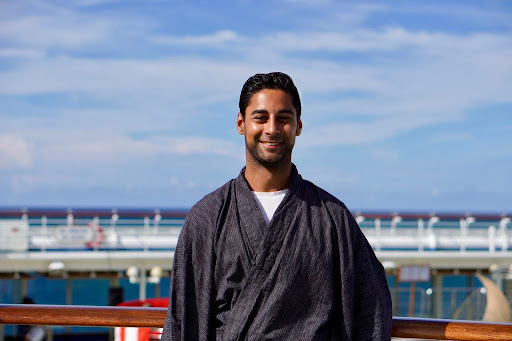
第27弾の今回は、ピースボートV119に英語講師として乗船したZu(ズー)のインタビューをお届けします!
1. What were you doing before joining Peace Boat?
ピースボートに乗船する前は何をしていましたか?
I was working for a tech company as a researcher in my hometown, London. Before that I had taught for several years in international schools and language academies across seven different countries.
地元ロンドンでハイテク企業の研究員として働いていました。それ以前は、7つの国のインターナショナルスクールや語学アカデミーで数年間英語を教えていました。
2. How did you find out about Peace Boat or the GET programme, and why did you come on board?
ピースボートやGETプログラムを知ったきっかけと、乗船した理由を教えてください。
I came across the opportunity on a volunteering site back in 2019 and thought it sounded incredible. The chance to travel the world with like-minded people in the context of a floating university dedicated to peace almost sounded too good to be true. I seemed to fit the description of what they were looking for, so it was a no-brainer to apply – it was just a matter of timing. Finding a 4-month window is not always easy.
Three years later, I finally committed to applying, but sadly the voyage was cancelled in the aftermath of the COVID pandemic. I was gutted and was quite sure that was the end of my story with Peace Boat, until I went for it again two years later when this time around, the stars aligned.
2019年にボランティアのサイトでこの機会を見つけたのですが、信じられないほど素晴らしいと思いました。平和に特化した洋上の学校で、同じ志を持つ人たちと世界を旅するチャンスは、あまりにも素晴らしすぎると思いました。私はGETが求めている人物像に合致していると思ったので、応募するのは迷うまでもなく、あとはタイミングが合うかだけでした。4カ月の空き時間を見つけるのは、簡単なことではありませんでしたが…。
それから3年後、私はついに応募を決意しましたが、残念ながらコロナの余波で航海は中止になってしまいました。私はひどく落胆し、ピースボートとの関係はそこで終わりだと確信していましたが、それから2年後に再び挑戦し、そのときはすべての条件が奇跡的に揃い、実現しました。
3. What did you enjoy most about being a GET Teacher?
GETの先生になって一番楽しかったことは何ですか?
The students, without a doubt. I felt genuinely privileged to work with such curious, motivated learners who brought a wide range of experiences to the classroom along with their undying enthusiasm. Working in such a unique environment forges really strong bonds, not only between students and teachers, but among the whole onboard community.
間違いなく生徒の皆さんですね。好奇心旺盛で、やる気のある生徒の皆さんと一緒に活動できたことは、本当に光栄なことだと思います。このようなユニークな環境で働くと、生徒と先生だけでなく、船内のコミュニティー全体が本当に強い絆で結ばれます。
4. How did you spend your time on board? Did you organize any events, and if so, what were they?
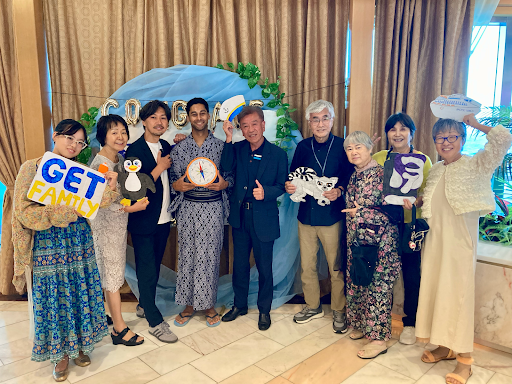
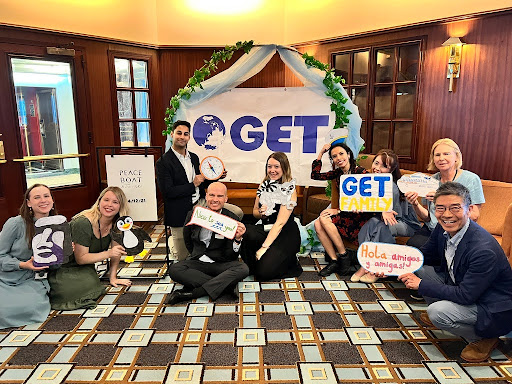
船内ではどのように過ごしましたか?もしイベントを企画していたのなら、どんなものを企画しましたか?
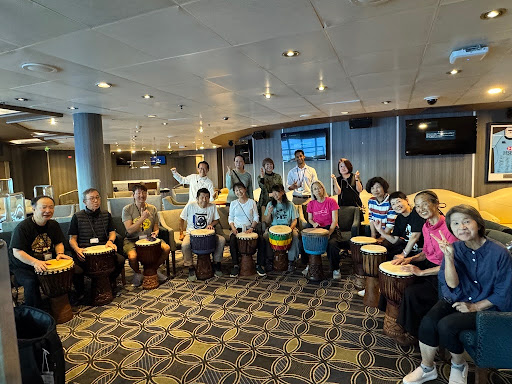
I tried to make the most of life onboard – attending guest lectures on topics from South African apartheid and the favelas of Brazil to the global history of coffee. I was a regular attendee of the onboard geography quizzes, and I had the chance to perform with a Wolof music group and learn traditional Tahitian dance.
I gave open classes in English, French and Portuguese, while supporting Spanish learners too. I also gave talks on the subjects of FGM and the function of memory.
船内生活を充実させるために全力を尽くし、南アフリカのアパルトヘイトやブラジルのファベーラと呼ばれる貧民街、コーヒーの世界史など、さまざまなテーマの水案企画に参加しました。船内の地理クイズの常連で、ウォルフ音楽(西アフリカの音楽)のグループと共演したり、タヒチの伝統舞踊を習ったりしました。
英語、フランス語、ポルトガル語のレッスンを行い、スペイン語学習者のサポートもしました。また、FGMや記憶の機能についての自主企画もしました。
5. What was your favorite on board event or encounter?
船内でのお気に入りの出来事や出会いを教えてください。
The Speech Festival at the end of the voyage was a beautiful culmination and celebration of learning. I felt very proud of all the students who showed the courage to stand up in front of an audience and deliver such touching and engaging speeches. Topics covered by some of my students ranged from the art of breathing, to diplomatic relations between Japan, China and Korea.
Another event that stood out to me was one held by a colleague volunteering on board as an interpreter. He shared his experience of living in Japan as a Brazilian-born migrant, which served as a powerful reminder of the importance of social inclusion.
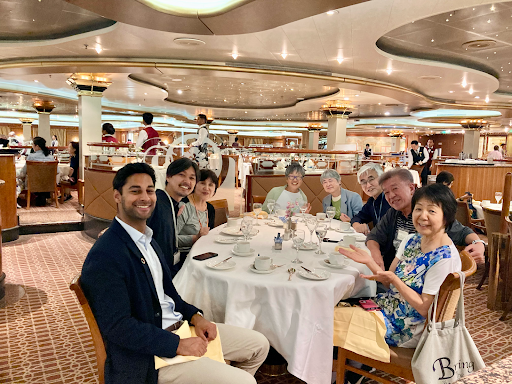
Beyond events, it was amazing to interact with such a diverse group of individuals who have lived fascinating lives. I remember an 82-year-old Taiwanese passenger called Michael explaining to me the secrets behind his long and successful marriage of over 50 years. Another moment that made an impression on me is when a gentleman named Toyo came and sat with me one evening to discuss how we as individuals can make meaningful positive change to the world around us. The conversation was largely carried out through a translation app, but his sincerity and thoughtfulness really stayed with me.
航海の最後に行われたスピーチ・フェスティバルは、学習の美しい集大成であり、祝典でした。勇気を出して聴衆の前に立ち、感動的で魅力的なスピーチを披露した生徒たちをとても誇りに思いました。生徒たちが取り上げたテーマは、呼吸法から日中韓の外交関係まで多岐にわたるものでした。
もうひとつ印象的だったのは、ボランティア通訳として乗船していた同僚が行ったイベントです。彼はブラジル生まれの移民として日本で暮らした経験を語り、社会的包摂の重要性を力強く再認識させてくれました。
イベント以外にも、魅力的な人生を歩んできた多様な人々と交流できたことが素晴らしかったです。マイケルと呼ばれる82歳の台湾人乗客が、50年以上にわたる長い結婚生活の成功の秘訣を説明してくれたことを覚えています。もうひとつ印象に残っているのは、ある晩、トヨという名の紳士がやってきて、私たち個人がいかにして周囲の世界に意味のある前向きな変化をもたらすことができるかについて話し合ったときのことです。会話の大部分は翻訳アプリを通して行われましたが、彼の誠実さと思慮深さは私の心に強く残っています。
6. What was your favorite port and what did you do there?
お気に入りの寄港地はどこで、何をしましたか?
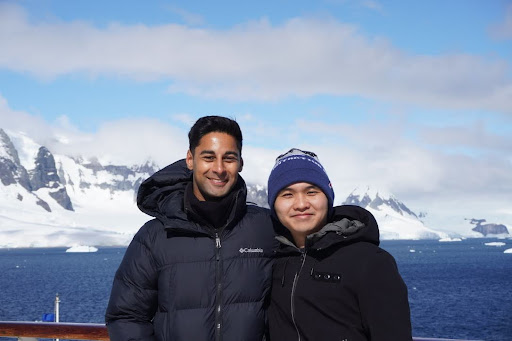
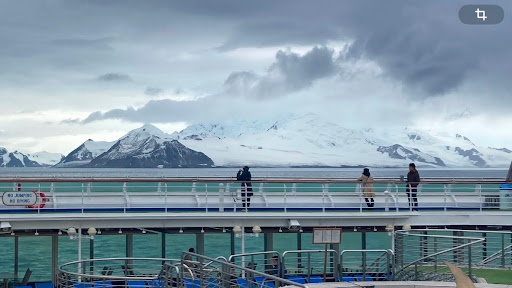
Not a port in the traditional sense, but sailing through Antarctica was a truly unforgettable experience. We cruised through surreal, untouched landscapes, spotting whales, seals and penguins in their natural habitat. The scale and fragility of it all was breathtaking, like visiting another planet. It was a humbling reminder of how small we are, and how important it is to protect places like this.
寄港地ではありませんが、南極遊覧は本当に忘れられない体験でした。非現実的で手つかずの風景の中を航海し、野生のクジラやアザラシ、ペンギンを見ることができました。そのスケールの大きさとはかなさは息をのむほどで、まるで別の惑星を訪れたようでした。私たちがいかにちっぽけな存在であるか、そしてこのような場所を保護することがいかに重要であるかを思い知らされました。
7. What did you gain from your time with Peace Boat?
ピースボートで過ごした時間から得たものは?
A deep sense of perspective – on myself, others, and the world we share.
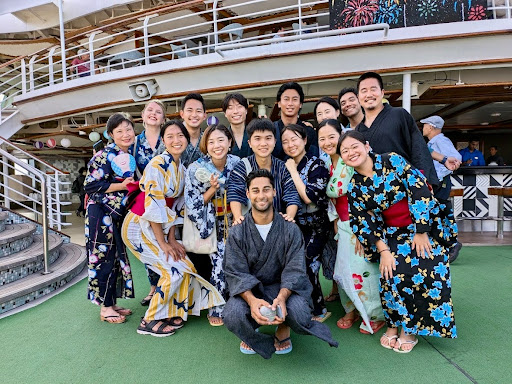
Living and working in such a diverse, educative environment really reinforced just how much we can learn from one another when we stay curious. I gained lifelong friendships, and was repeatedly reminded of the power of human connection – even across language and culture barriers – when there is a will to engage.
The voyage challenged and inspired me, and I disembarked with a greater sense of global solidarity and purpose.
自分自身、他人、そして私たちが共有する世界について、深い視野を持つことができました。
このような多様で教育的な環境の中で生活し、働くことで、私たちが好奇心を持ち続けることで、どれだけのことを互いに学び合えるかを強く実感しました。私は生涯の友情を得ることで、言葉や文化の壁を越えても、関わり合おうとする意志があれば、人と人がつながる力があることを何度も思い知らされました。
この航海は、私に挑戦と刺激を与えてくれ、下船後には世界的な連帯と目的意識が高まりました。
8. Where are you now and what do you do?
今はどこにいて、何をしていますか?
I’m back in London now and am currently involved in various social impact and community projects related to reducing gender inequality, migrant support and mentorship.
現在はロンドンに戻り、ジェンダー不平等の是正、移民支援、そしてメンターシップに関連する、さまざまな社会貢献やコミュニティのプロジェクトに携わっています。
9. What advice would you give to future teachers?
未来の先生たちへのアドバイスをお願いします。
Stay open. Lean into the unpredictability of ship life and learn to embrace it. Opportunities like this don’t come around often, so make the most of every moment, and remember that your impact goes beyond the classroom.
オープンでいること。船の生活での予測不可能さに身を任せ、それを受け入れることを学んでください。このような機会はめったにあるものではないので、一瞬一瞬を最大限に活用し、自分が教室の外にまで影響を及ぼすことを忘れないでください。
10. What advice can you give to a student who wants to improve their English/Español?
英語/スペイン語を上達させたいと思っている生徒さんへのアドバイスをお願いします。
Bring the language into your world and make it a part of your daily life. Read about things that interest you, watch things that make you laugh (or cry!), and use language in practical ways. This will make the learning process more engaging and meaningful. And remember, shyness is the enemy of progress! Step out of your comfort zone and connect with people. You will learn quicker and your confidence will grow.
言語を自分の世界に取り込み、日常生活の一部にしてください。興味のあることについて読んだり、笑ったり(または泣いたり!)するようなものを見たり、実用的な方法で言葉を使ったりしてください。そうすることで、学習プロセスがより魅力的で有意義なものになります。そして、内気さは進歩の敵であることを忘れないでください!コンフォートゾーンから一歩踏み出して、人々とつながりましょう。そうすれば、より早く学ぶことができ、自信もついてくるでしょう。
11. Do you have a message for your students?
自身の生徒さんたちへのメッセージをお願いします。
Thank you for showing up with such heart and for sharing your stories. Keep finding your voice in English, and keep doing what you all do so well – stay curious!
心をこめて、自分の体験談を話してくれてありがとう。英語で自分の声を見つけ、皆さんがとても上手にやっていることをこれからも続けてください、好奇心を絶やさずに!
Thank you, Zu!!